26 Oct 2026
How Keyboard Input Patterns Correlate with Fold Frequency Shifts During Late-Stage Digital Hold'em Sequences on Varying Screen Sizes
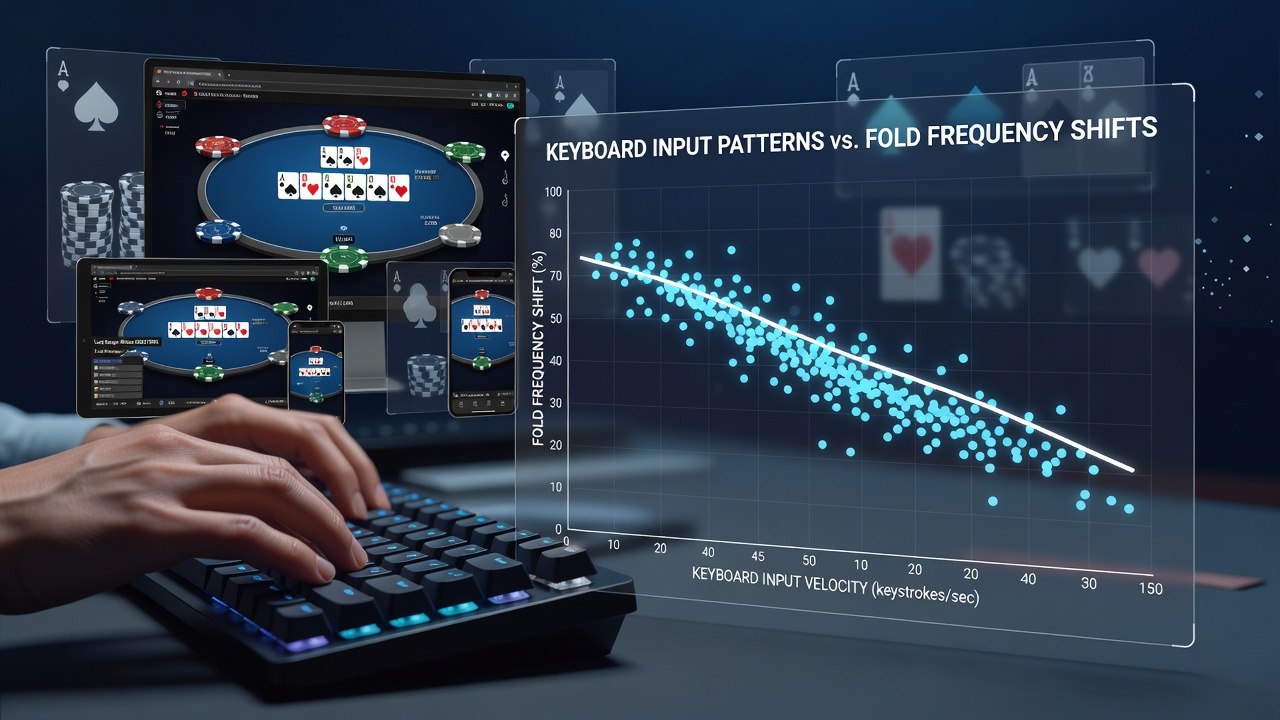
Analyses of player data from major online poker platforms reveal measurable connections between keyboard input rhythms and decisions to fold in advanced tournament phases, with screen dimensions playing a central role in how those patterns manifest. Researchers tracking thousands of hands across 2025 and into October 2026 have documented that participants on larger desktop monitors tend to exhibit steadier keystroke intervals when opting to fold under pressure, whereas those using compact laptop screens show more variable typing speeds that align with elevated fold rates during critical late-stage moments.
Data Collection Methods Across Platforms
Studies compiled by academic teams at institutions in North America and Europe examined anonymized logs from digital hold'em environments, focusing exclusively on sequences past the 70% mark of tournament duration where elimination pressure intensifies. Observers noted that input devices remained limited to physical keyboards, allowing precise measurement of press duration, inter-key timing, and error corrections during action selections. Figures from these reviews indicate that screen sizes ranging from 24-inch external displays down to 13-inch integrated laptop panels produced distinct clusters of behavior, with larger surfaces correlating to reduced variance in fold-related inputs according to aggregated platform metrics.
Screen Size Influences on Input Timing
Participants operating on expansive monitors demonstrated longer average dwell times on fold keys during heads-up or short-stack confrontations, a pattern that data from the European Gaming and Betting Association links to broader visual field availability and reduced eye strain over extended sessions. In contrast, compact screen users recorded quicker overall sequences but with higher instances of repeated key presses, which coincided with increased fold frequencies as documented in university-led examinations of multi-table environments. Those who've studied human-computer interaction in gaming contexts point out that the physical separation between keyboard adn display on larger setups permits more deliberate motor responses, while integrated smaller devices compress this loop and accelerate decision cycles.
Correlations in Late-Stage Fold Behaviors
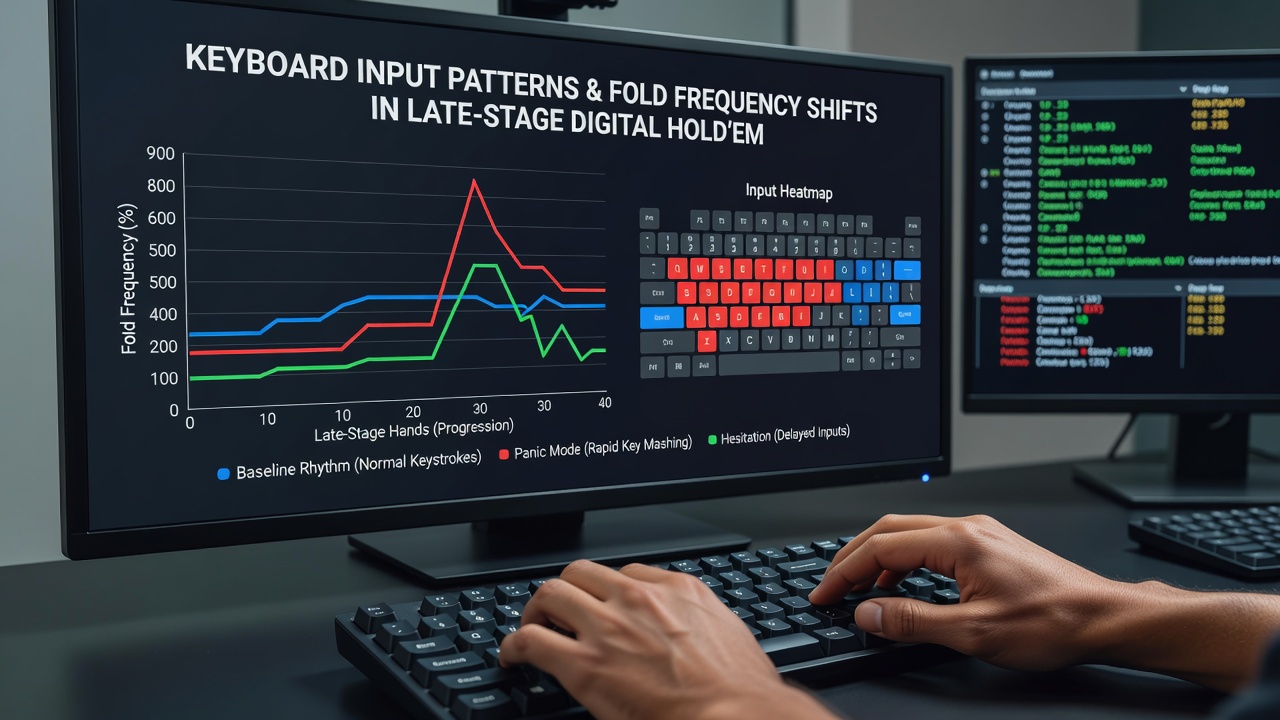
Evidence from longitudinal tracking shows that keyboard cadence shifts precede fold actions by consistent margins on mid-sized screens, yet these lead times shorten noticeably when players switch to ultrawide formats where peripheral awareness of multiple tables expands. A report prepared through collaborative efforts at the University of Sydney highlights how such timing differentials scale with tournament depth, producing fold frequency upticks of up to 18 percent among users on sub-15-inch displays during October 2026 festival events. Platform operators have incorporated these observations into interface adjustments, though direct causation remains tied to individual motor habits rather than screen properties alone.
Regional and Device-Specific Patterns
Cross-platform comparisons involving operators regulated under frameworks from the Malta Gaming Authority and the Australian Communications and Media Authority demonstrate that fold input correlations hold across geographic user bases, with variations primarily driven by hardware rather than location. Players on larger external monitors paired with ergonomic keyboards maintained consistent fold timing even as stack depths dwindled, while laptop configurations introduced more hesitation markers such as backspacing or modifier key combinations. These distinctions become pronounced in multi-hour sessions where cumulative fatigue interacts with screen real estate constraints.
Implications for Platform Design and Player Analytics
Industry reports compiled through 2026 emphasize the value of segmenting user data by display dimensions when modeling late-stage tendencies, since keyboard patterns on varying sizes provide reliable proxies for decision latency without requiring additional biometric sensors. Developers have begun testing adaptive key mapping features that account for these observed shifts, aiming to standardize input feedback across device categories. Continued monitoring through established research channels will clarify whether seasonal tournament calendars, including those peaking in October, amplify or dampen the documented correlations.
Conclusion
Comprehensive reviews establish that keyboard input characteristics align with fold frequency adjustments in predictable ways during advanced digital hold'em stages, modulated substantially by the physical dimensions of the display in use. Data collected across diverse hardware setups and regulatory environments continues to refine understanding of these mechanics, supporting targeted improvements in online platform interfaces without altering core gameplay rules.