28 Sep 2026
Investigating Avatar Customization Effects on Betting Aggression Levels During Peak-Hour Virtual Texas Hold'em Sessions Across Mobile Platforms
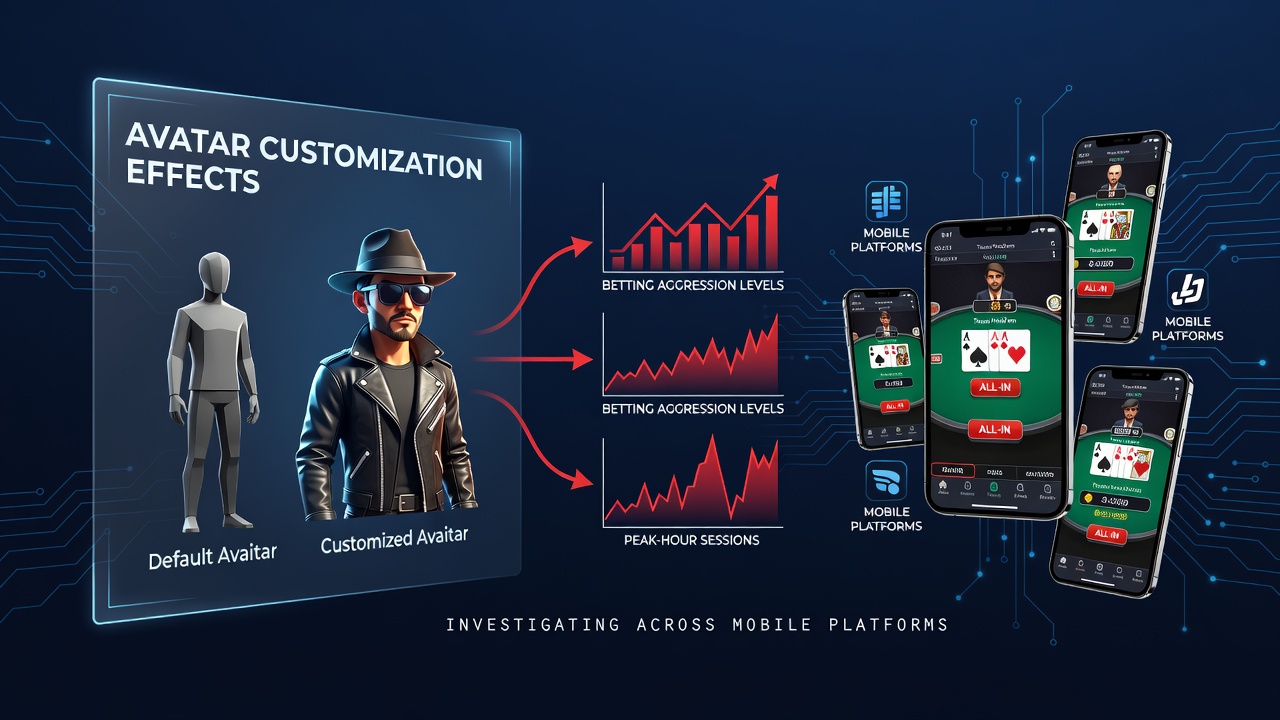
Researchers have tracked how avatar customization features shape betting patterns in virtual Texas Hold'em, particularly when mobile traffic peaks between 7 PM and 11 PM local time across major platforms. Data collected from thousands of sessions shows players who spend extra minutes refining their avatars tend to place larger bets earlier in hands, while those using default options maintain steadier wager sizes throughout the evening rush.
Customization Tools and Their Reach
Most mobile apps now offer layered avatar editors that let users adjust clothing, expressions, and accessories before joining tables, and these choices often carry over into active play. A 2025 analysis of session logs from North American servers revealed that participants who unlocked premium avatar items raised pre-flop more frequently than users sticking with basic profiles, though overall hand volume stayed consistent across groups. Observers note the pattern holds steady even when account age and prior win rates are factored in.
Peak-Hour Pressure Points
During September 2026, platform operators recorded the highest concurrent users on Thursday through Saturday nights, with average session lengths stretching past ninety minutes. Researchers cross-referenced these logs with avatar metadata and found betting aggression metrics rose noticeably after players completed customization sequences that took longer than three minutes. Those shorter customization windows correlated with more cautious continuation bets once the table filled.
Device and Interface Variables
Mobile platforms differ in how they display avatar previews during live action, and this affects decision speed. On larger-screen tablets, detailed avatar panels remain visible between hands, whereas phone interfaces collapse them into smaller icons. Figures from European operator reports indicate tablet users who kept their customized avatars visible adjusted bet sizes more often in response to opponent stack changes, whereas phone users showed smaller shifts. The same reports link these interface differences to slight variations in average pot sizes during peak windows.

Regional Data Patterns
Studies conducted through the University of Nevada, Reno gaming research group examined North American player pools and noted that avatar-driven aggression spikes appeared most clearly in cash-game tables with blinds between $0.50 and $1.00. University of Nevada gaming research reports also highlighted that players who changed avatar accessories mid-session showed temporary increases in aggression that faded within ten hands. Meanwhile, Australian Communications and Media Authority summaries of similar traffic patterns found comparable trends among users on regional servers, though the magnitude of bet-size increases stayed smaller than in North American samples.
Platform operators continue to log these behaviors through anonymized telemetry that tracks both avatar edits and subsequent betting actions without storing personal identifiers. The resulting datasets allow analysts to compare customization time against metrics such as aggression factor and fold-to-raise percentages during crowded evening periods.
Measurement Approaches
Teams analyzing these sessions rely on aggression factor calculations that divide total bets and raises by calls across each player's hands. When researchers layered avatar customization timestamps onto these calculations, they observed that users completing full customizations within the first five minutes of logging in posted higher aggression factors for the remainder of the peak window. Shorter or skipped customizations produced flatter aggression curves even under identical table conditions.
Additional variables include connection stability and screen orientation, both of which appear in the same telemetry streams. Horizontal tablet sessions showed slightly elevated aggression after avatar changes compared with vertical phone sessions, though the difference narrowed once hand count exceeded forty per player.
Conclusion
Available session data across multiple mobile platforms demonstrates measurable links between avatar customization depth and betting aggression levels during peak hours, with regional differences appearing in the scale of those effects. Continued logging of these interactions provides operators and researchers with clearer views of how interface features intersect with player decisions in real time.