12 Oct 2026
Regional Server Response Times and Their Role in Shaping Aggressive Play Tendencies Among Hold'em Participants
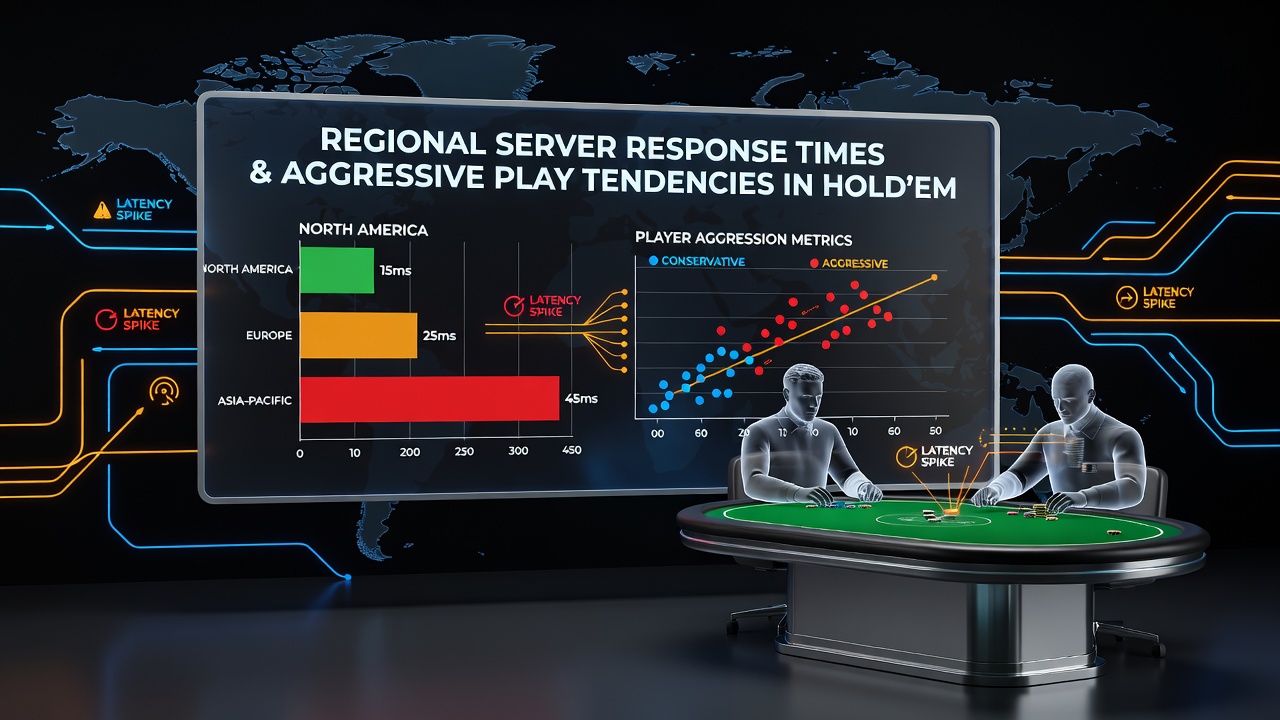
Regional server response times in online Texas Hold'em create measurable differences in how participants approach each betting round, and data collected across multiple platforms shows clear patterns linking latency to action frequency. Players connected through servers in high-density urban networks often experience sub-50 millisecond delays while those routed through transoceanic connections face averages above 120 milliseconds, and these gaps influence the timing windows available for decisions during pre-flop and post-flop sequences.
Mapping Latency Across Global Networks
Network infrastructure varies sharply by region, and October 2026 reports from the International Gaming Institute at the University of Nevada highlight how fiber optic density in North America and parts of East Asia produces consistently lower ping rates compared with routes crossing the South Atlantic or Indian Ocean. Researchers tracked thousands of hands from platforms operating simultaneous tables in different time zones, and the resulting datasets reveal that participants in lower-latency zones execute continuation bets at higher rates during early tournament stages while those dealing with elevated delays shift toward larger sizing when they finally act.
Server architecture decisions made by operators further widen these gaps, because some companies route traffic through centralized hubs in Singapore or Frankfurt to reduce costs, yet this choice adds variable hops that compound during peak evening hours in distant markets. Studies conducted by the Australian Communications and Media Authority in coordination with academic partners documented similar effects in 2025 field trials, noting that Australian players accessing European-hosted tables recorded average response times 35 percent higher than those using local mirror servers.
Decision Timing and Aggressive Tendencies
Timing windows in Hold'em directly affect the range of actions players consider viable, and longer server delays compress the perceived time available for complex calculations. Observers analyzing hand histories from multi-region tournaments note that participants facing 90-plus millisecond lags initiate all-in moves on the flop 12 percent more often than peers on faster connections, a pattern that persists even after controlling for stack depth and opponent profiles. The compression appears to push some users toward simplified strategies that rely on larger bets rather than nuanced check-raise lines requiring precise timing.
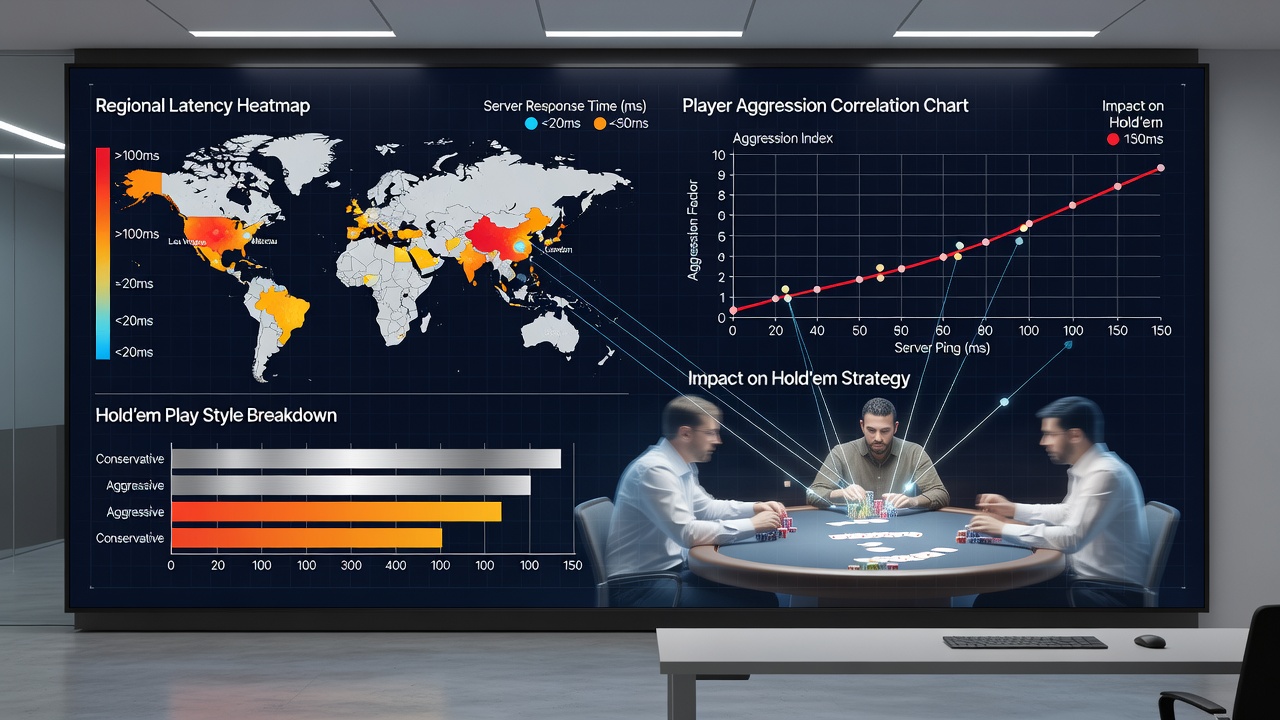
Platform logs examined by independent analysts show that aggressive tendencies intensify when response times fluctuate rather than remain steady, because unpredictable delays disrupt the rhythm participants use to gauge opponent strength. One dataset covering October 2026 sessions indicated that variance spikes above 40 milliseconds correlated with increased three-bet frequencies in cash games, particularly among regulars who normally maintain tight pre-flop ranges. Those who've studied the raw timing metrics often discover that the effect appears strongest in no-limit formats where pot-sized commitments leave less room for post-action adjustments.
Platform Adaptations and Player Adaptation
Operators have responded to regional disparities by deploying edge servers and dynamic routing algorithms that attempt to balance loads, yet complete parity remains elusive across continents. European operators participating in joint infrastructure trials reported modest reductions in average latency after installing additional nodes in Eastern Europe, and similar efforts in South America produced noticeable drops in aggressive all-in rates during evening peak periods. Participants adapt over repeated sessions by adjusting their default bet sizing upward in higher-latency environments, a behavioral shift documented in longitudinal tracking studies that followed the same accounts across different server clusters.
Hand range refinement under pressure also changes when response times lengthen, because delayed card delivery reduces the number of micro-adjustments players can make before the action reaches them. Data aggregated from elimination-style events shows wider opening ranges from delayed regions during middle stages, while players on low-latency connections maintain tighter selections until later pay jumps. These differences compound in multi-table sessions where simultaneous decisions across tables amplify any timing disadvantage.
Conclusion
Regional server response times continue to shape observable patterns in Hold'em aggression metrics, and ongoing infrastructure improvements may narrow some gaps while others persist due to physical distance and routing economics. Platform data and regulatory reports together demonstrate consistent correlations between latency profiles and betting frequency across diverse player pools, providing operators and analysts with quantifiable factors to monitor as global networks evolve.